How to Save Money on a Small Salary

Saving money on a small salary feels nearly impossible when bills take almost every dollar you make. You pay your rent, buy your basic groceries, pay the electric bill, and your bank account drops right back to zero. It is easy to feel stuck, but you can build up cash even on a modest paycheck.
The secret is not earning thousands more tomorrow. It comes down to finding small cash leaks, automating tiny savings amounts, and setting simple boundaries for your monthly money. A small income just means your strategy needs to be focused and realistic.
Where Does Your Monthly Paycheck Actually Go?
You cannot save money on a small salary until you see where every dollar walks off. Most people guess their expenses, but their guesses are usually off by $150 or more each month. Take a real look at your last 30 days of bank statements.
Grab a piece of paper and write down three big groups: fixed bills, groceries, and small buys. Fixed bills are things like rent, gas, and electricity. Groceries are what you eat at home. Small buys are snacks, fast food, and quick online orders. Seeing your exact numbers on paper changes how you view your wallet.
Look at Sarah, who earns $2,400 a month after tax. She thought she spent $50 a month on coffee and quick snacks. When she checked her statement, those daily $4 visits to the drive-thru added up to $145. She did not stop buying coffee entirely. Instead, she cut back to twice a week and saved $95 every month without feeling miserable.
Small expenses hide in plain sight. A $6 streaming service you forgot to cancel, a $12 gym fee you do not use, or a $3 delivery fee on lunch add up fast. Finding two or three of these hidden costs gives you instant money to save.
Pay Yourself First with Tiny Amounts
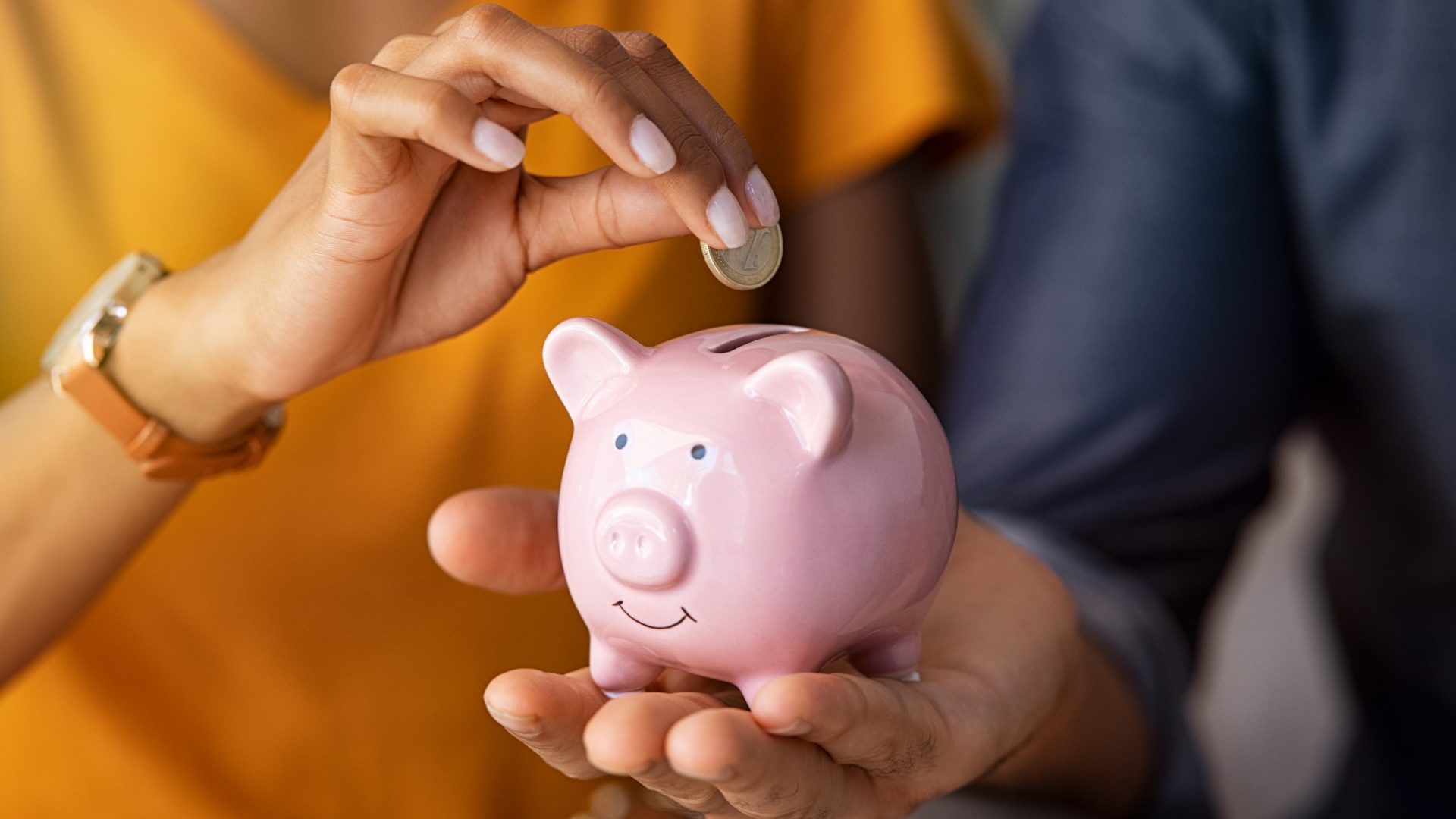
Most people try to save whatever money is left at the end of the month. The problem is that there is never anything left. To break this cycle, you must pay yourself first on the day your check drops.
Do not try to save $300 right away if your budget is tight. Start with $15 or $25 from each paycheck. Set up an automated transfer at your bank so that money moves to a separate savings account the minute your pay arrives. If you do not see it in your checking account, you will not spend it.
Here is how tiny transfers grow over one year on a monthly pay schedule:
- $20 every week turns into $1,040 in a year.
- $35 every week turns into $1,820 in a year.
- $50 every week turns into $2,600 in a year.
These numbers prove that small income earners do not need massive spare cash to build real savings. Consistency beats size every single time. Once your brain gets used to living on slightly less, you can move up to $30 or $40 per check.
Cut Food Costs Without Going Hungry
Food is usually the largest flexible cost in any household. Rent stays the same, but your food spending goes up or down based on your daily choices. This makes food the fastest place to free up extra cash.
Eating out just twice a week can cost $40 or more per person. That is over $160 a month spent on meal prep you could handle at home for a third of the price. You do not have to eat basic beans every day, but planning simple meals saves real money.
Try buying basic store brands instead of name brands. Store brand rice, canned tomatoes, milk, and pasta usually taste identical and cost up to 30 percent less. Switching ten regular items on your shopping list to house brands can save you $15 on a single grocery trip.
Another trick is cooking one double meal every week. Make a large pot of soup, chili, or pasta sauce on Sunday night. Eat half for dinner, and freeze the rest for a week when you feel too tired to cook. This simple habit stops you from ordering expensive takeaway food when work leaves you wiped out.
Control Unplanned Buys Before They Stop Your Progress
Impulse buys hit people on a small salary harder than anyone else. A quick $20 purchase wipes out a whole week of hard savings effort. Learning to manage those sudden urges keeps your money in your pocket.
Use the 72-hour rule for non-essential items. When you see something you want to buy, wait three full days before spending the money. Put the item on a paper list or leave it in an online cart. After three days, the urge usually passes, and you realize you did not need it anyway.
You can also check out our guide on How to Stop Impulse Buying and Save Your Money Every Month to get simple tools for keeping your hard-earned pay.
Keep your buying triggers out of sight. Unsubscribe from retail email lists that send daily sales offers. Remove saved credit card details from shopping sites so you have to walk across the room to get your wallet. Adding friction to buying makes spending money a conscious choice instead of an automatic habit.
How to Lower Your Fixed Bills
Many people assume their fixed bills are set in stone. That is rarely true. Spending two hours on the phone can cut your monthly costs for the next year.
Call your phone provider first. Ask if they have a cheaper plan or a discount for long-term customers. Cell phone companies constantly launch new rates to pull in customers. If you have been on the same plan for two years, you are likely paying too much. Switching to a basic plan or a lower-cost carrier can save $30 to $50 per month.
Check your car insurance rates next. Call three different companies and ask for price quotes for the exact same coverage you have now. Drivers who shop around often save $300 a year just by switching insurance providers.
Keep your home energy use simple. Lower your thermostat by two degrees during cold months. Unplug electronics you rarely use, like spare televisions or gaming boxes. These tiny actions drop your power bill by $10 or $15 each month, leaving more room in your budget for savings.
Keep Emergency Money Away from Daily Cash
When you start saving money on a low pay rate, keep that cash in a separate bank account. If your savings sit inside your main checking account, you will accidentally spend it on normal bills or weekend outings.
Open a basic savings account at a completely separate bank from your main checking account. Do not get a debit card for this new account. Having to wait one or two business days to transfer money back to your checking account stops you from using your savings for quick fun.
Having a small stash of cash changes your daily mental state. If your car tire blows or your sink leaks, you do not need to use a high-interest credit card. You just pay for the fix with your emergency fund and keep moving forward.
Building balanced spending habits is central to sound Personal finance practices. You can learn more about managing your paycheck on our personal finance main page, where we cover simple ways to handle monthly cash.
Stay Focused on Your Own Journey
Saving money when your income is low takes patience and care. It is easy to look at social media and feel like everyone else has endless money to burn. Most of those people are using debt to fund their lifestyles. You are choosing real safety over fake style.
Celebrate small wins as they happen. When your savings account hits $100, take a moment to feel proud of your work. When it reaches $500, celebrate that you built a real safety net from scratch. Those milestones prove that your hard work pays off.
Focus on your own progress every single week. A small income does not lock you into living paycheck to paycheck forever. By cutting small costs, automating your transfers, and keeping your cash separate, you build lasting financial security on the salary you have right now. What is one small cost you can remove from your spending today?


Comments
Post a Comment